Septic Services in Rochester, WA
Septic in Rochester: everyone’s their own utility
Rochester isn’t a city and doesn’t want to be. It’s unincorporated Thurston County, spread across the Chehalis River valley in the county’s southwest corner, and with no municipality comes no municipal sewer. Outside the Grand Mound utility pocket along the freeway, essentially every home, farm, and shop from Rochester out through Independence Valley and Littlerock runs its own septic system. In the towns this site covers, septic is a feature of certain neighborhoods. In Rochester it’s the whole housing stock.
The land splits along elevation, and so do the failure modes. The benches and prairies, meaning the Grand Mound gravels and the ground along Highway 12, drain fast, classic outwash country where trenches take water gladly and the design question is treatment quality. Then there’s the low ground. Rochester is river country, laced by the Chehalis, the Black River, and Scatter Creek, and the floodplain soils run silty and seasonal. Come the winter rains, the water table in the low spots rises toward the grass. A drain field standing in groundwater has nowhere to send water, which is why the December-to-March stretch produces most of the area’s backups, and why newer systems in the valley lean on mounds, pressure distribution, and other designs that buy elevation.
Housing here spans widest of all: working farmhouses with systems old enough to vote, 1970s-90s homesteads on five and ten acres, and manufactured and stick-built homes added steadily as Rochester became an affordable landing spot in a pricey county. Thurston County Environmental Health governs all of it, and out here its records matter doubly, since on big acreage even finding the tank can be a project without the county’s drawing.
What Rochester properties tend to need
Winter capacity is the recurring story. A Rochester system that muddles through summer can hit a wall in January, and sorting a saturated-season overload from a genuine failure is exactly the question a septic evaluation answers. Getting it answered in October beats getting it answered during a February backup, with the yard at its wettest and the household at full load.
Acreage life adds its own list: locating systems on parcels where the tank could be anywhere, evaluating add-ons like a shop bathroom or an in-law setup, and keeping aging farmhouse systems honest with regular pumping and level checks.
And when properties change hands, the county’s Time of Transfer rule applies out here just as it does in town. On big parcels, where the inspection may start with finding the system, ordering the pre-sale inspection early isn’t just prudent, it’s logistics.
The honest coverage note: Rochester and Grand Mound sit about thirty minutes southwest of Olympia on I-5 and Highway 12, and work gets scheduled from the Olympia base along with the rest of the county. Out here that math is familiar. Everything worth having is a drive away, and the septic truck is no exception.
Our Services
-
Septic Inspections
A proper inspection opens the system up and looks: tank condition, components, levels, and how the drain field is taking water.
Learn more
-
Real Estate Septic Inspections
Buying or selling a home on septic usually means the system gets inspected, often on a deadline.
Learn more
-
Septic Tank Pumping
Routine pumping removes the solids the system can't break down. It's the single most important maintenance a septic system gets.
Learn more
-
Septic Repairs
Lids, baffles, filters, distribution boxes, pumps, floats, alarms: the components that fail before the system does.
Learn more
-
Drain Field Repair & Restoration
The drain field is where most septic systems actually fail, and where the biggest repair decisions get made.
Learn more
-
Septic System Replacement & Installation
When a system is truly at the end of its life, replacement is a designed, permitted project rather than a bigger repair.
Learn more
Areas We Serve
- Olympia
- Lacey
- Tumwater
- Yelm
- Tenino
- Rochester
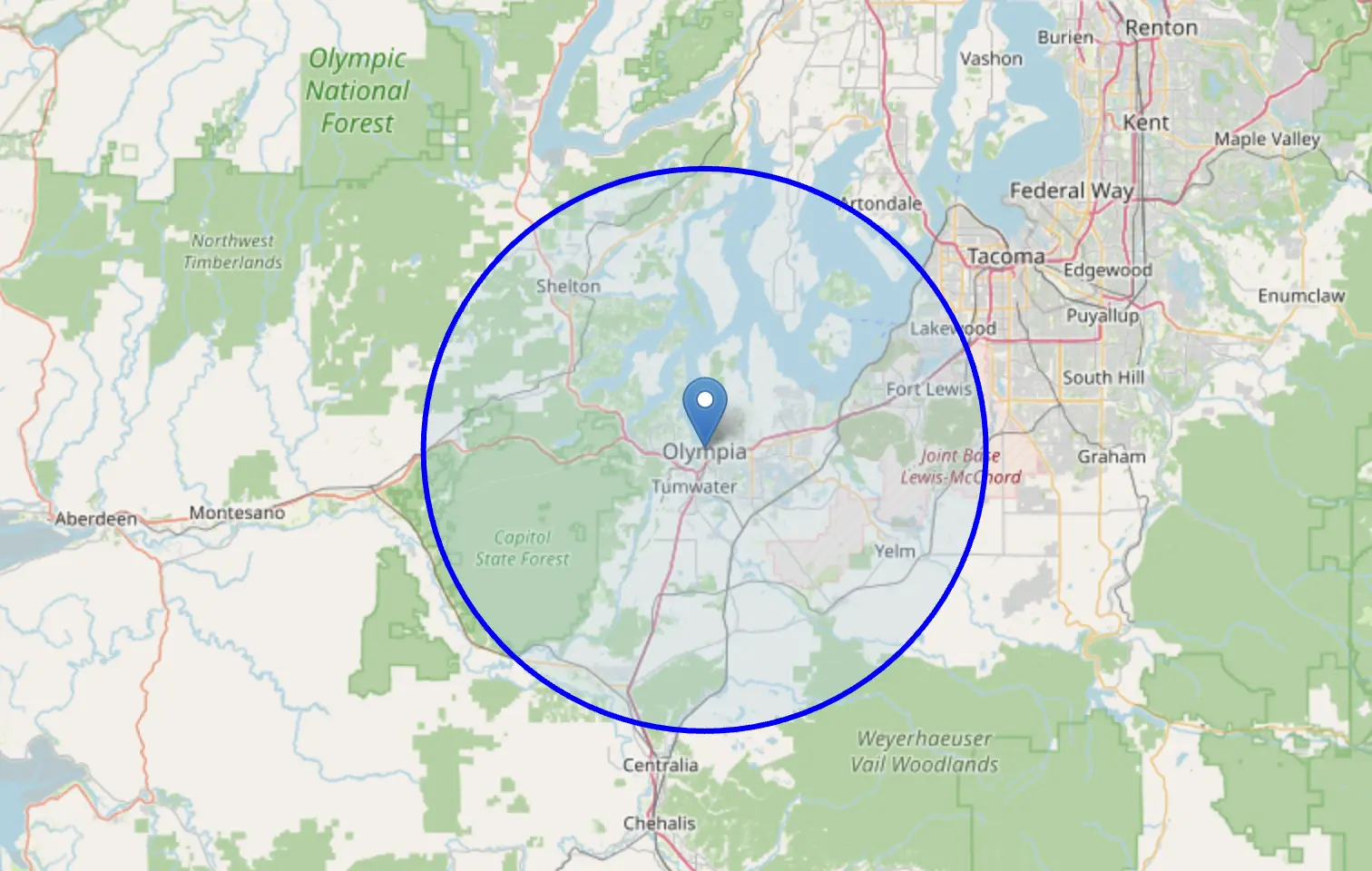
Find local details for each community on our service-area pages.
Frequently Asked Questions
Is everything in Rochester on septic?
Very nearly. Rochester is unincorporated, so there's no city sewer to hook to, and homes run their own systems. The exception is the Grand Mound area, where a utility district serves the commercial corridor. If your home has a yard and no sewer bill, assume septic.
What does the winter water table mean for my system?
In the low ground near the Chehalis and Black rivers, the water table can rise close to the surface from December through March. Drain fields sitting in saturated soil lose capacity right when holiday water use peaks, which is why Rochester's septic problems cluster in winter and why designs here often raise or pressurize the field.